
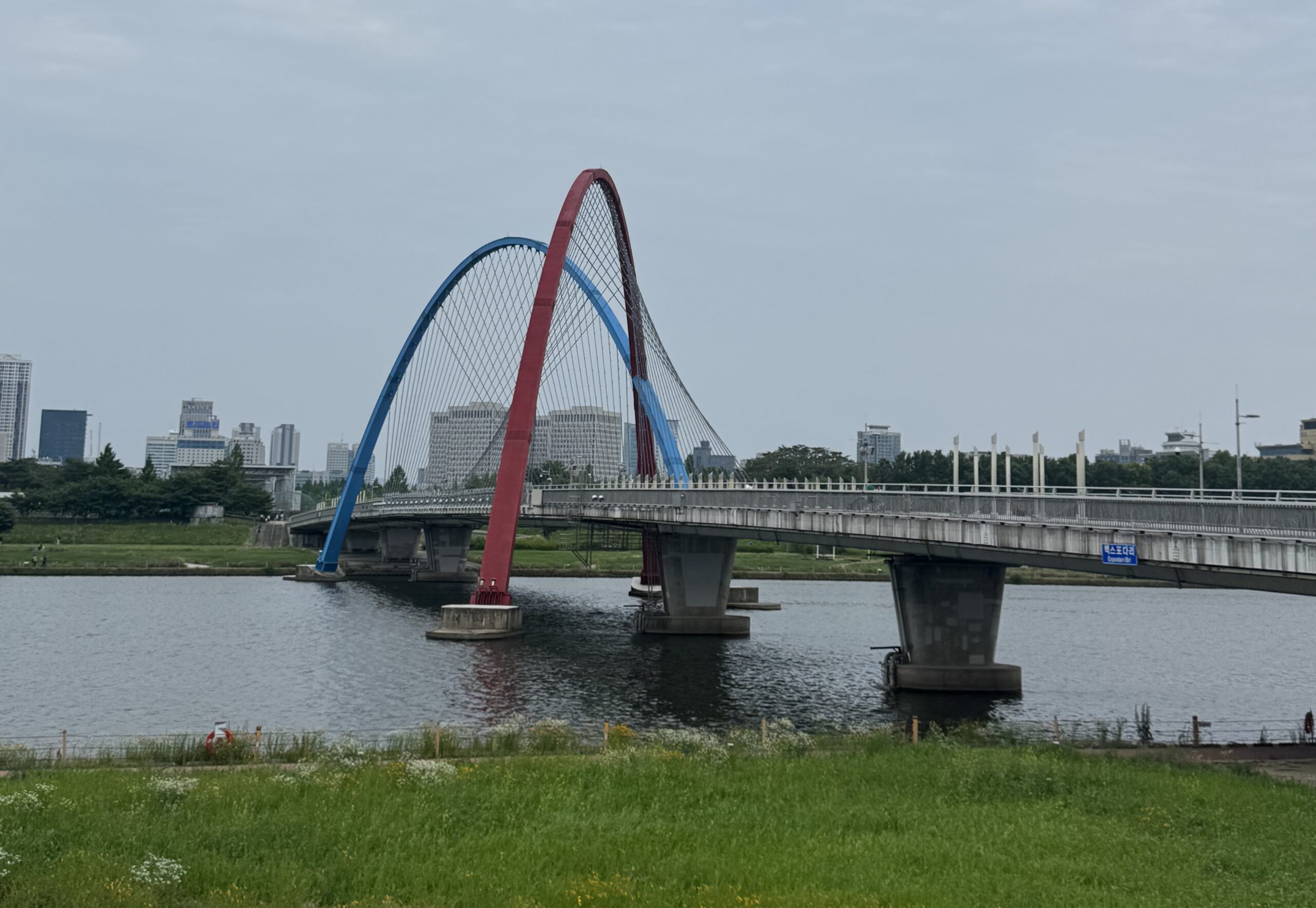
Daejeon isn’t exactly the first city on the list of tourist destinations in Korea, but if you want to explore within Korea a little more and are wondering where to go, here’s my list!
I recently spent a full Sunday exploring Daejeon with a friend who lives there. This was our itinerary for the day and my thoughts on everything. I also added the Naver Maps link for each place!
Full Day Itinerary
11:00 AM — Sungsimdang (성심당 본점)
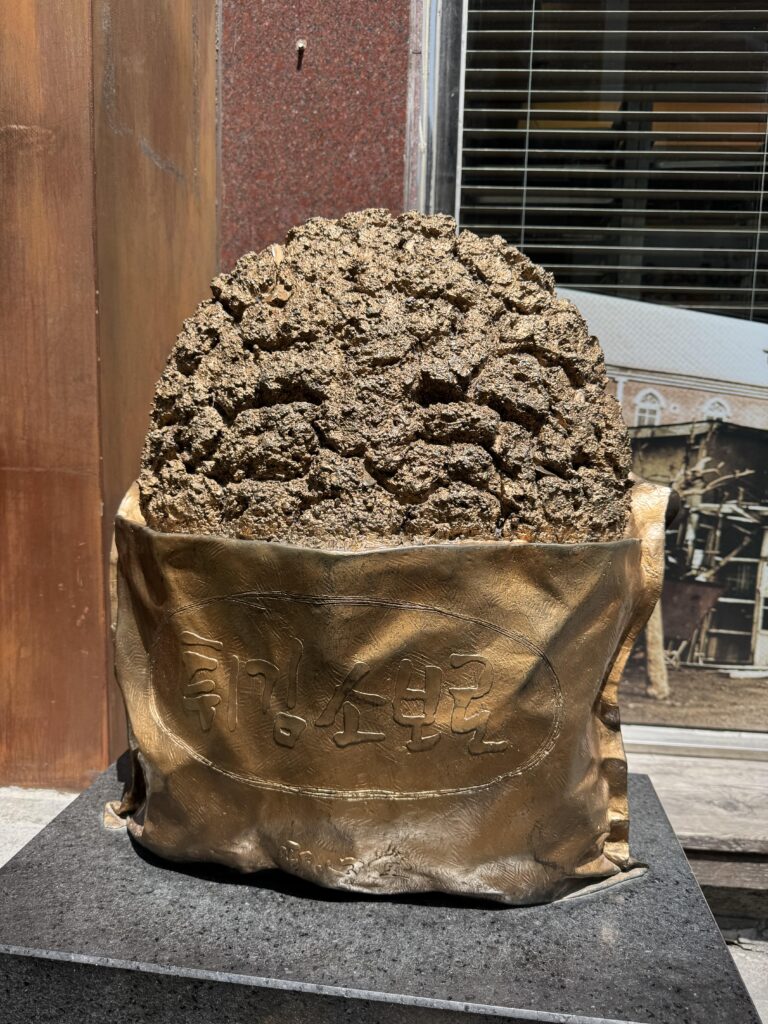
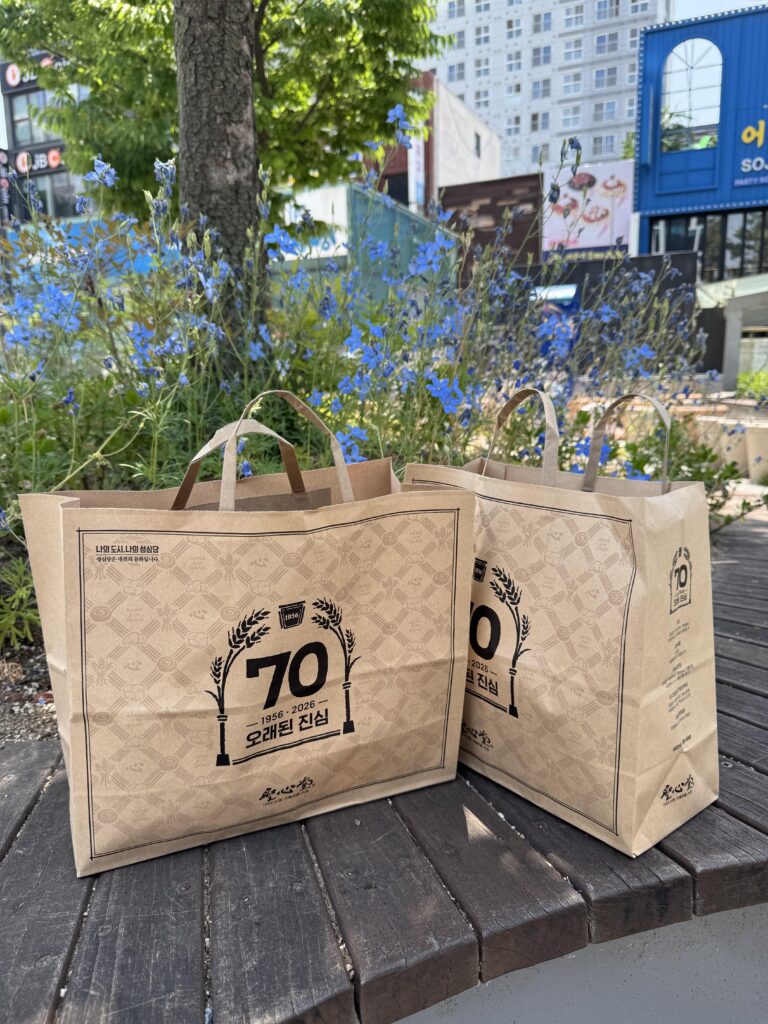
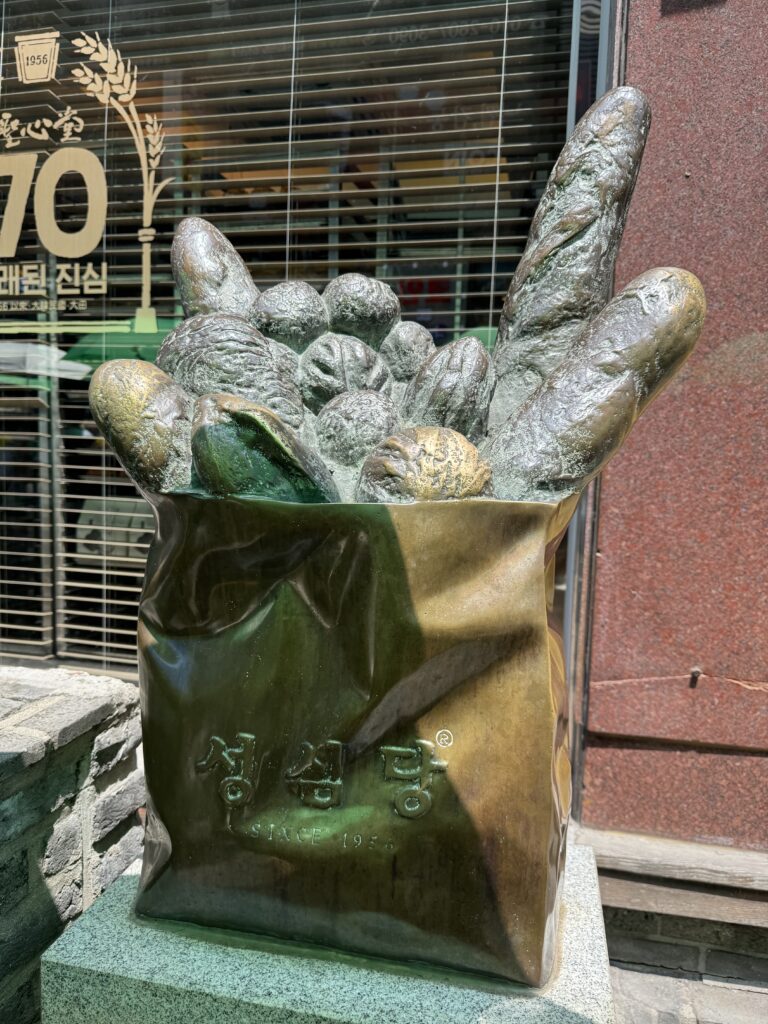
This bakery is probably one of the only reasons anyone goes to Daejeon. It was founded in Daejeon in 1956 and is famous for its twigim soboro (튀김 소보로), a crispy fried sweet red bean bun. Sungsimdang has various flavors of soboro, including original, matcha, chocolate, and sweet potato.
Ok at first I was thinking, I can’t believe people travel an hour or more to Daejeon to wait in an insanely long line just for bread, but actually going to this bakery was way more fun and less painless than I thought! We went in late morning on a Sunday, and even though the line was long, it moved quickly, so I don’t think we waited more than 15 minutes. They even provided branded umbrellas for guests waiting in the sun. Once inside, it was chaotic and crowded, and there were so, so many different types of unique breads, desserts, and pastries to choose from! Everything I got tasted really fresh and high quality.
I don’t think I would go all the way to Daejeon again just for bread, but it was definitely a highlight. Highly recommend!
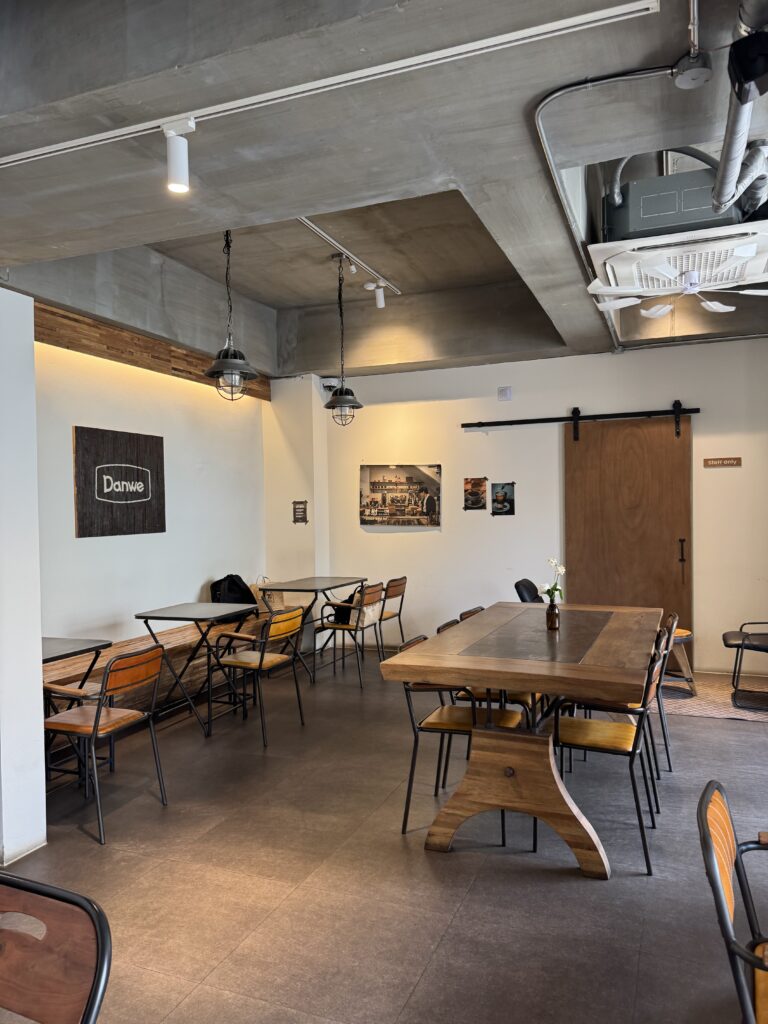
12:00 AM — Danwe (단위)
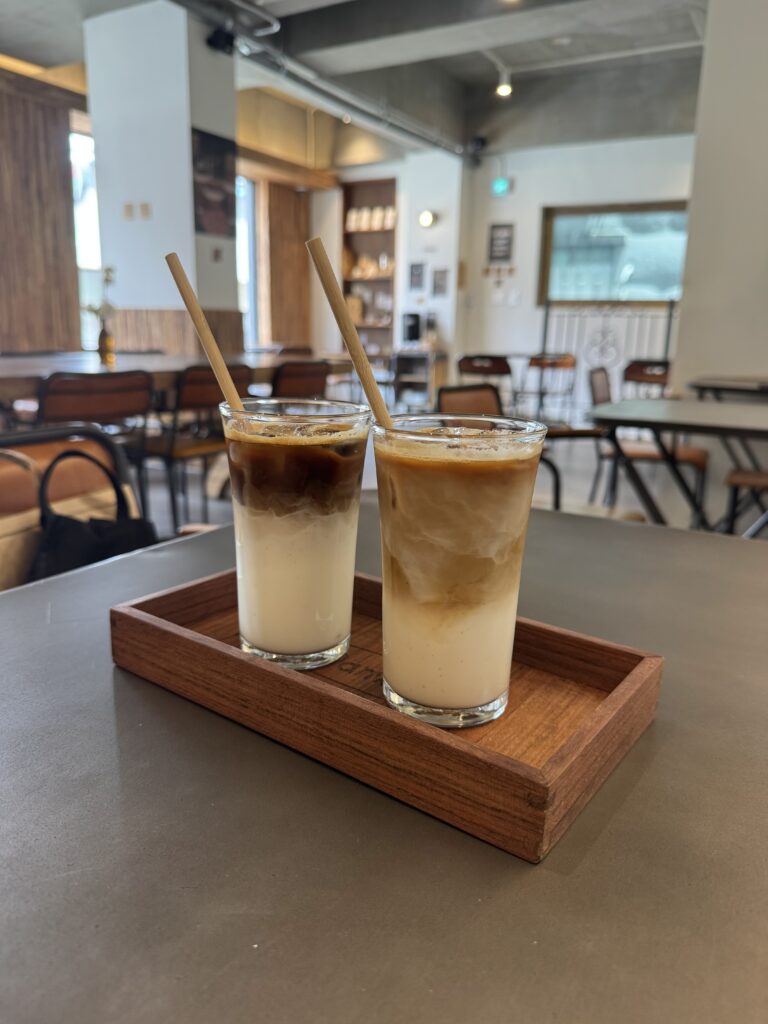
This was a cute little cafe in the downtown area near Sungsimdang. The earl gray espresso latte was so delicious. It was a mix of coffee and earl gray flavor topped with a lightly sweet cream. Often in Korea, these drinks lack real flavor and are overly sweet, but as a coffee fanatic, I can confidently say this place will serve you a quality cup.
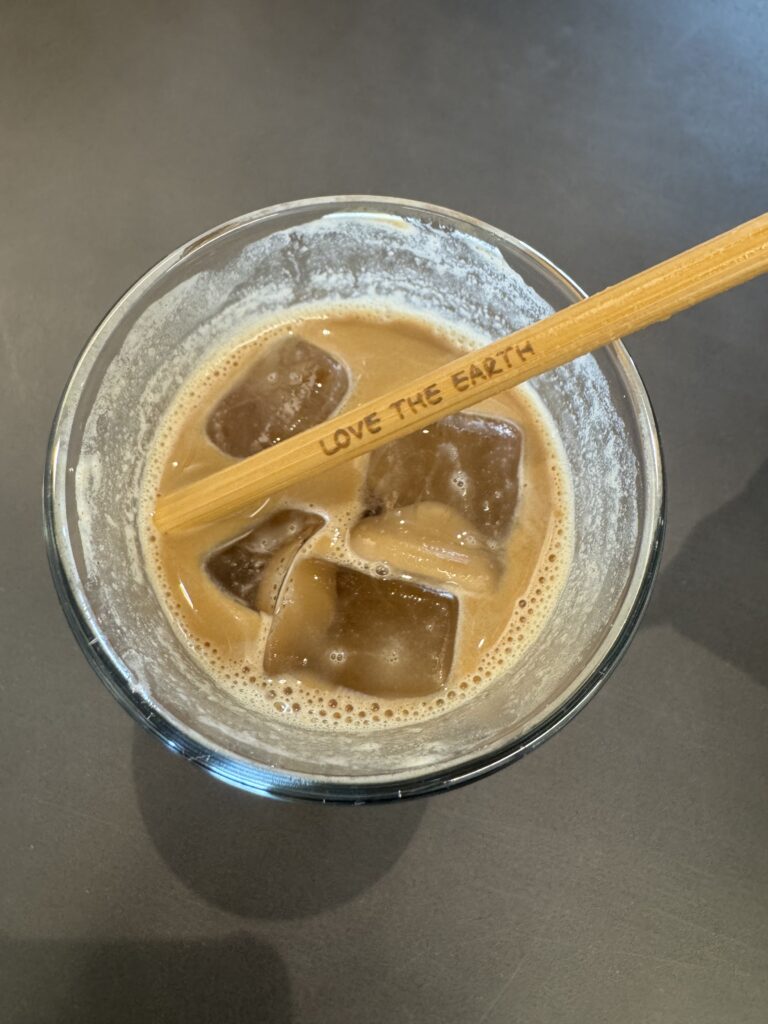
Also the straws were made of hard wood instead of bamboo or paper, which I haven’t seen before!
1:00 PM — Modern History Exhibition Hall (대전근현대사전시관)
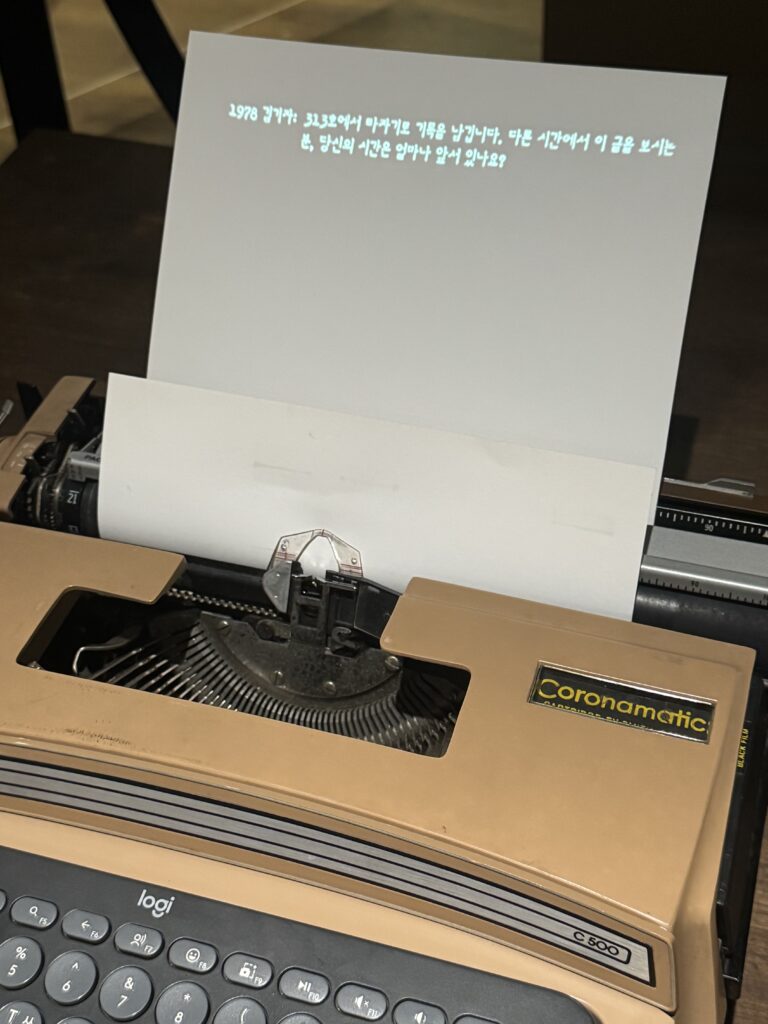
Next was the Modern History Exhibition Hall, which is a museum about post-modern history in Daejeon. It’s really interesting because Daejeon underwent massive changes during this time period. It was completely free to enter and featured recreations of different rooms in Daejeon in the 70s through the 90’s, including a hotel room, and a bath house, and a toy store. The hotel room had a typewriter that allowed you to talk to a resident of the room “from the past.” The bath house was interesting because these old fashioned bath houses do still exist in Korea and I’ve even been to one, but they are rapidly disappearing in favor of more modern saunas. I loved the toy room and seeing what old toys were popular in Korea in the post-modern era. I recognized toys I had in my house in the early 2000s or that I had seen in my grandmother’s house as a child. It’s always really trippy to see something that you’ve experienced in your own life now displayed in a museum exhibition. I didn’t think I was quite so old.
It didn’t take much time at all to walk through all the rooms here and there is very minimal English, but I think it is definitely worth stopping by to see. It’s a quick stop but really gives you a sense of how the city and Korean culture itself has changed rapidly in just a few short decades.
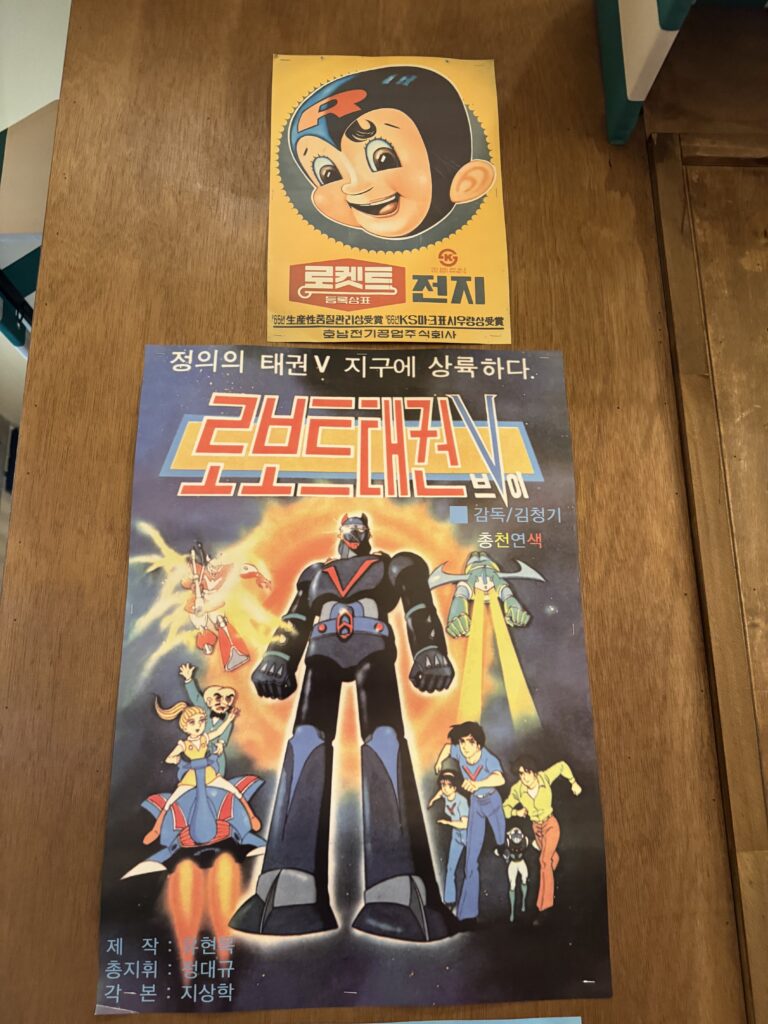
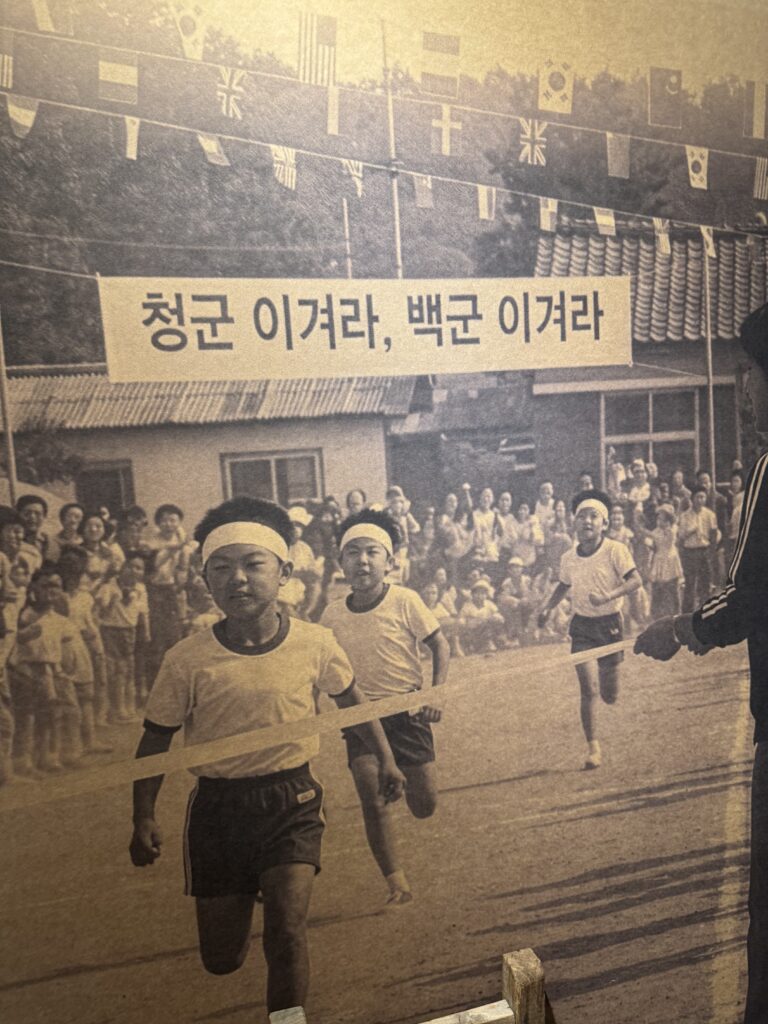
2:30 PM — Yuseong Hot Springs (유성온천문화공원한방족욕장)
This is a free outdoor foot bath that uses mineral water from the natural hot spring underground in the old Yuseong district of Daejeon. It’s perfect for a restful break in the middle of a long day of walking around. The footbath is outdoors in a little park space surrounded by benches and trees. You are expected to rinse your feet at the foot was before stting down to soak your feet in the warm spring water. The bottom of the pools are lined with stones that deep massage your feet as you walk around. Then after, you can rinse at the foot wash again and use a compressed air attachment to dry your feet quickly. It was so incredibly refreshing and restorative, and super casual and easy. Another popular Daejeon highlight.
4:30 PM — Daejeon Observatory (대전시민천문대)
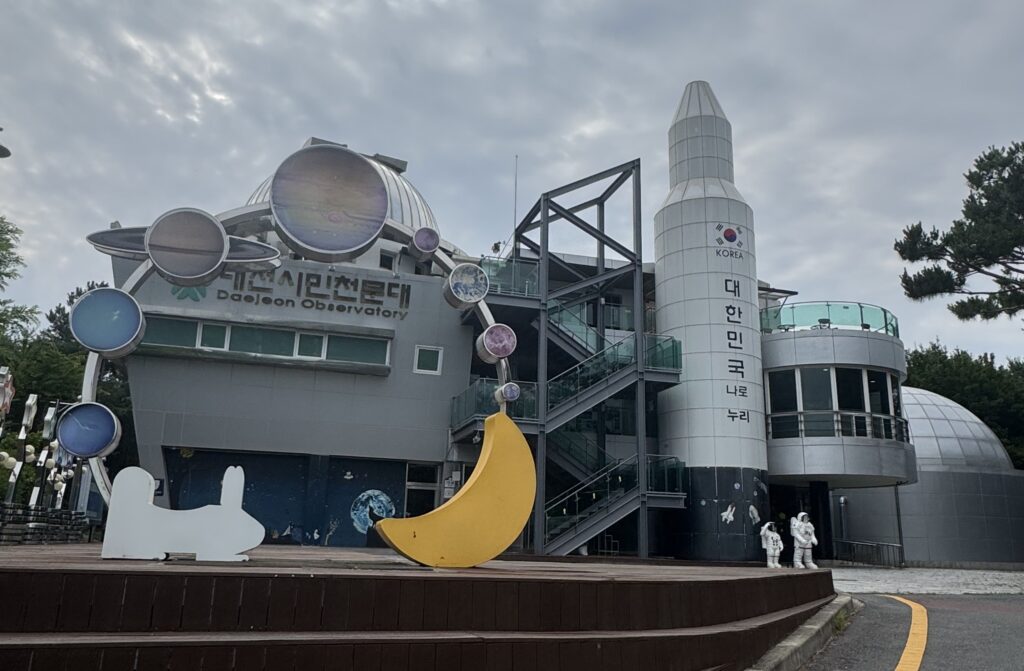
While more recently Daejeon has been popular because of the bread at Sungsimdang, it is also known as a city of science, so it is home to dozens of research centers and science and technology museums. Going to this observatory really reminded me of being on a middle school field trip. The signage and videos haven’t been updated since the 2000’s, and when we went, it happened to be really cloudy, so we couldn’t see anything on any of the telescopes…womp womp.
But surprisingly, I still enjoyed myself here. It was pleasantly nostalgic to see the old exhibits (with Pluto still included in the list of planets), and they had a fun interactive activity related to star signs and horoscopes. We also saw the presentation in the planetarium, which was about basic features of space and different parts of the universe. It was all stuff I remembered from middle school science, but because the entire presentation and video was in Korean, I learned lots of new science-related Korean vocabulary!
I’d say this was the most skippable item on the list, but we went because we had some extra time to kill. Even though I enjoyed it, I couldn’t really recommend going here as a tourist attraction.
6:00 PM — Hanbat Arboretum (한밭수목원)
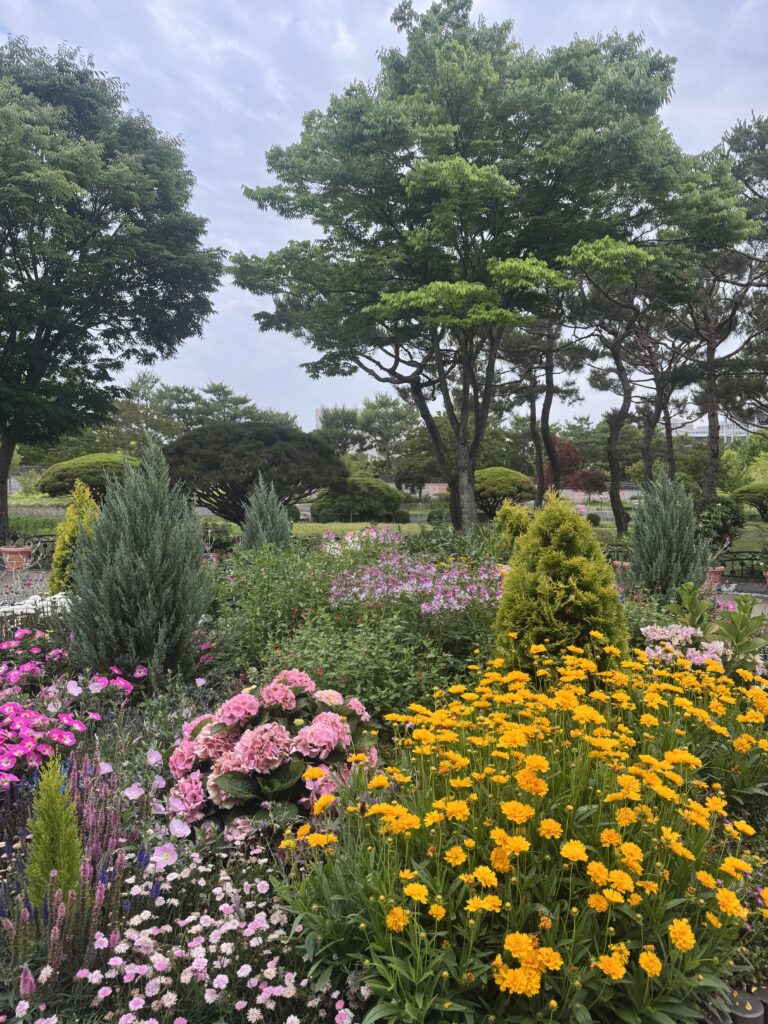
This is an absolutely massive and beautiful park with a huge outdoor concert area. When we were there, a few well known Korean rappers were performing, so we stopped to watch for a while.
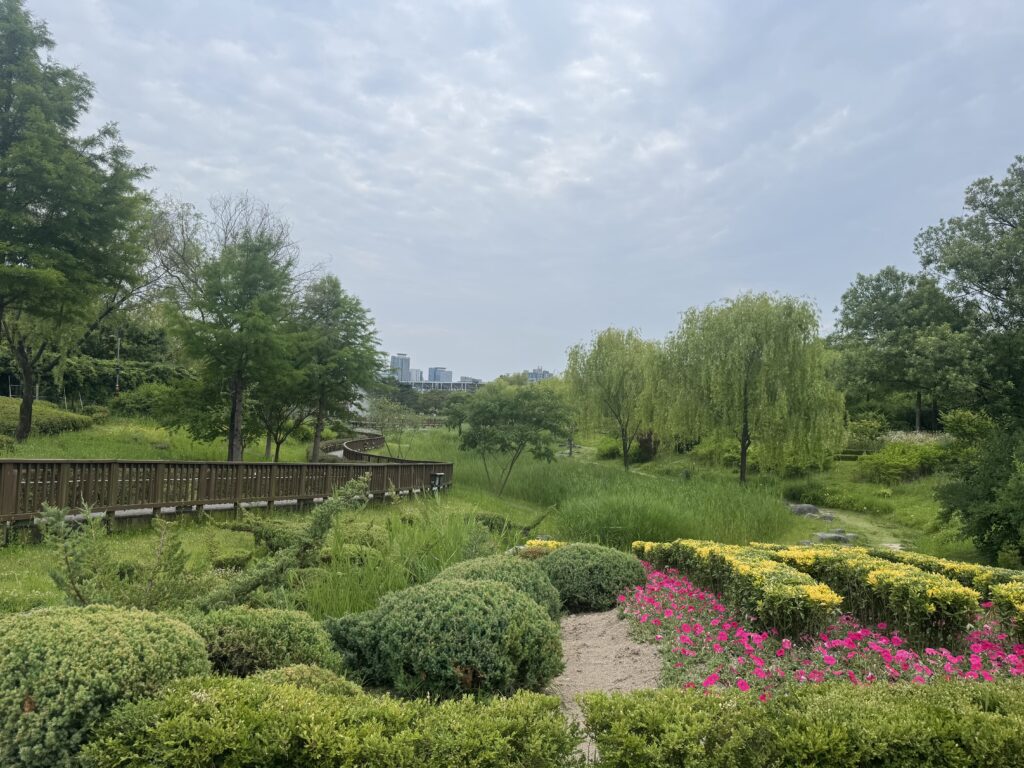
It’s called Hanbat Arboretum (Hanbat was the original Korean name for Daejeon and is still used occasionally around the city), but the arboretum was only one part of the park. It was filled with different types of colorful flowers, with a gazebo overlooking a lake full of fish and water lilies. The gazebo sat beside a tranquil boardwalk that snaked through tall grass and water and made for a pleasant stroll through the nature.
I liked that in Daejeon, even outside of the park there was a lot of wild nature throughout the city as well. It reminded me of being on the outskirts of the city in San Francisco where there are hiking trails snaking into the nearby mountains.
There are plenty of beautiful parks and street trees in Seoul, but Daejeon has so much more accessible greenery everywhere. Even just walking between bus stops, I sometimes felt like if I wandered off the sidewalk for a few minutes, I’d find myself lost and completely immersed in the neighboring forest.
7:30 PM — Jinro House (진로집)
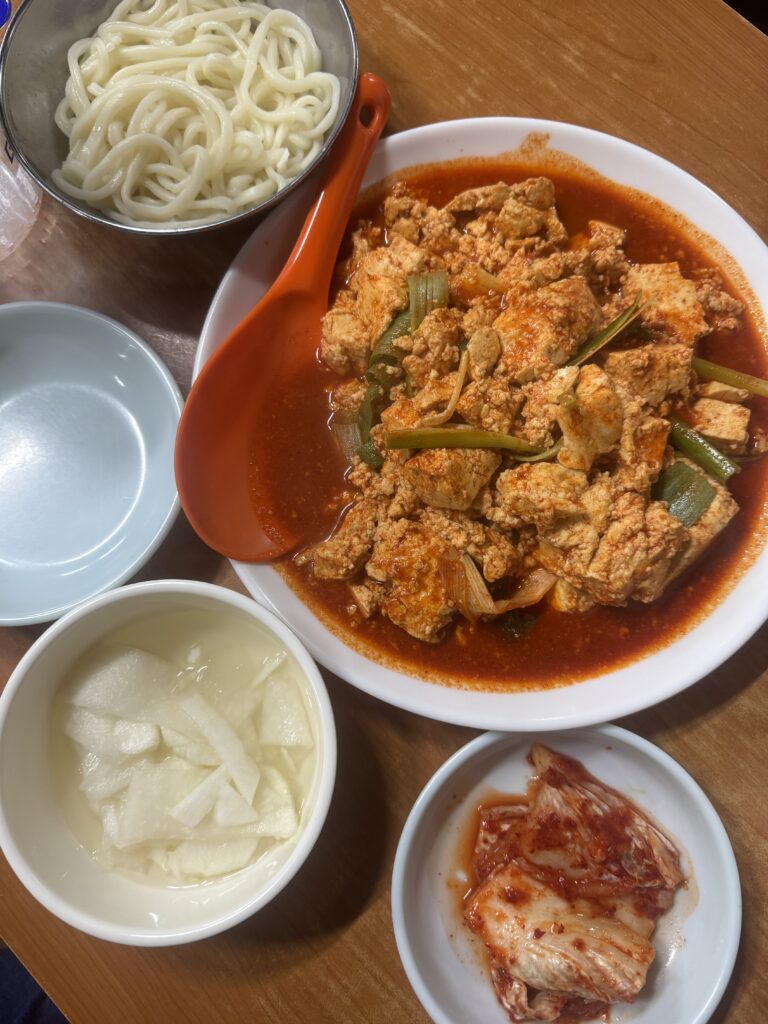
Next we went to Jinro House to eat dubu duruchigi (두부두루치기), spicy stir-fried tofu dish that is one of Daejon’s signature local foods. This restaurant is known for being a local favorite, and now I know why. It was so good, I can’t wait to go back to Daejeon and eat it again. Soft tofu is simmered in a spicy red sauce, and you can order it with noodles or rice.
You can order medium or spicy, and I personally love spicy food and would normally always choose spicy, but the waitress warned us that medium was already quite spicy, so we went with medium. Can confirm, the medium is sufficiently spicy even for me. I’d say the spice level was higher the Shin ramen, maybe bordering on Buldak level but not quite. If you go to Daejeon and like spicy tofu, you have to eat here!
8:30 — Back to the train station
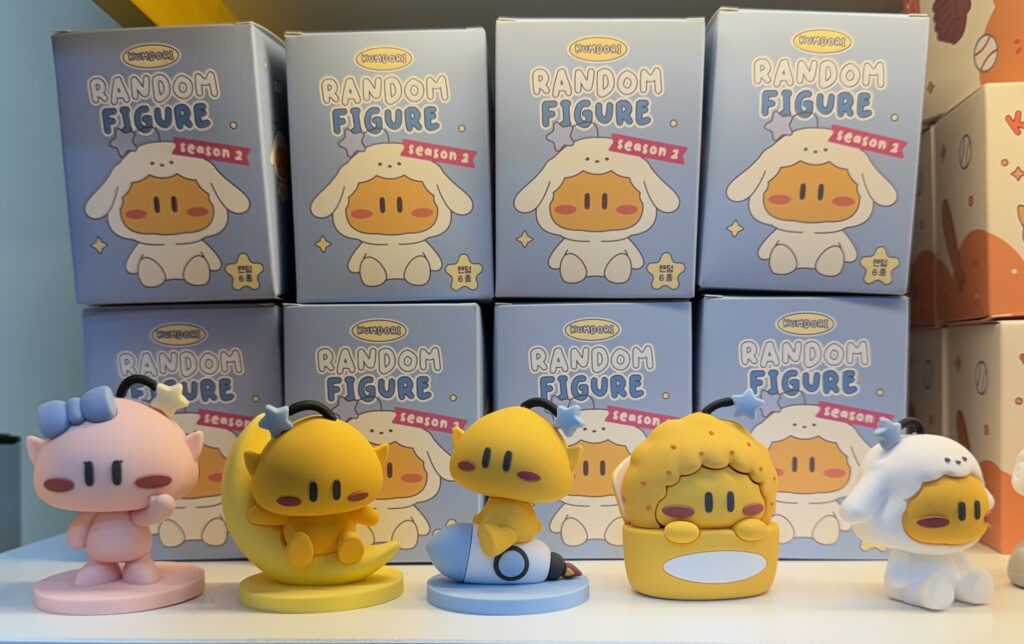
My train back to Seoul was at 9pm, and since Sungsimdang was nearby Jinro House, we actually stopped by again so I could buy some fresh soboro for my friends back in Seoul. While waiting for my train in Daejeon station, we checked out a cute souvenir store that sold a bunch of merch featuring Daejeon’s mascot, Kumdori (꿈도리) “The Little Dreamer”, a space fairy originally created for the 1993 Daejeon Expo.
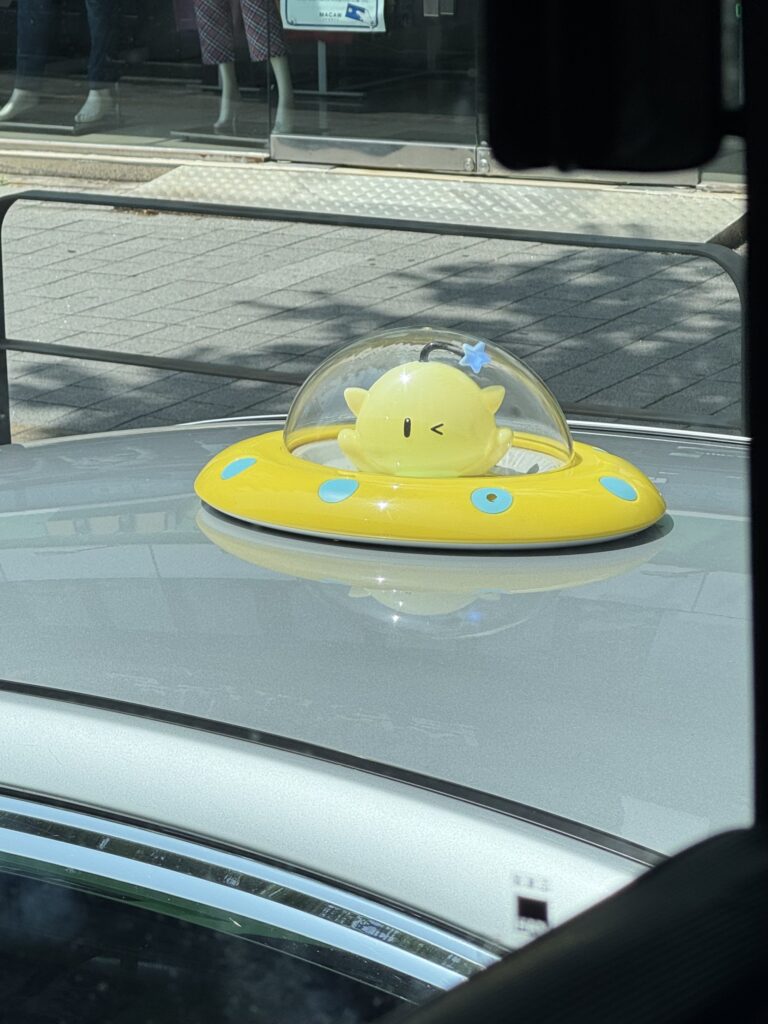
He’s been redesigned since, so they had merch showing both versions. The modern redesign is bubbly and adorable, but I also love the original because the art style feels more nostalgic and full of personality. Even the taxis here have the character on the roof of each car!

All in all, it was a great day, and I plan to go back to Daejeon sometime this year! Even though it took a while to get around the city using public transportation, I liked seeing how the subway design was different from Seoul and Busan, and I loved being so near all of the nature throughout the city. The air was noticeably fresher than in Seoul.
If you use Naver Maps, I made a list of all these places, plus a few places I’d like to go but haven’t had a chance to check out yet. I try not to include an overwhelming amount of options in these lists because personally, 5-10 targeted suggestions feels way more helpful than a list of 50 suggestions. The list is called City of Bread, because you know… there’s nothing important in Daejeon besides bread, or at least that’s the joke 😀
People joke a lot about Daejeon being no fun, but if you’re the type of person who appreciates a slower atmosphere, I found there was plenty to do while still being a relaxing day trip. If you go, let me know what you think~
Love,
B.


Leave a Reply