Category: EPIK

  • a curious observation…

    Hey friends,

    Welcome to a new rant from me. I’m an EPIK (English Program in Korea) English teacher in Seoul, South Korea, and I recently made a shocking discovery.


    Setting the Scene

    Let me give you some context first in case you don’t know:

    What is YBM Cloud?

    One of the most popular English textbook series in Korea is made by the company YBM. YBM provides a supplementary website with the textbooks called YBM Cloud. To have an account, you need to be affiliated with an institution that subscribes to YBM services (in my case, my public elementary school). YBM Cloud provides lesson relevant worksheets, PPT games, interactive web modules, and access to the online textbook. Personally, I only use the online textbook and none of the other resources because I find they are not as good quality as other materials I can find online or make myself.

    Who is Tay?

    Tayler is the owner of the website Tay’s Teaching Toolkit and is an absolute legend in the EFL community in Korea. Just like me, she is a graphic designer who became an ESL/EFL teacher in Korea! She creates incredibly high quality PowerPoint game templates that can be adapted to any lesson and provides a lot of them for free on her website.

    So now you have the background info. Moving onto…

    The Incident

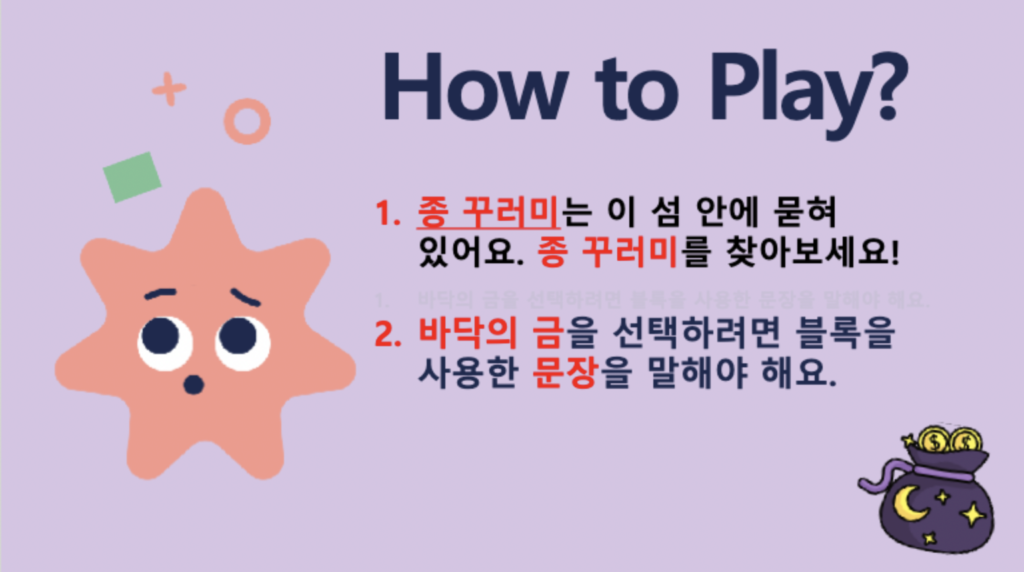
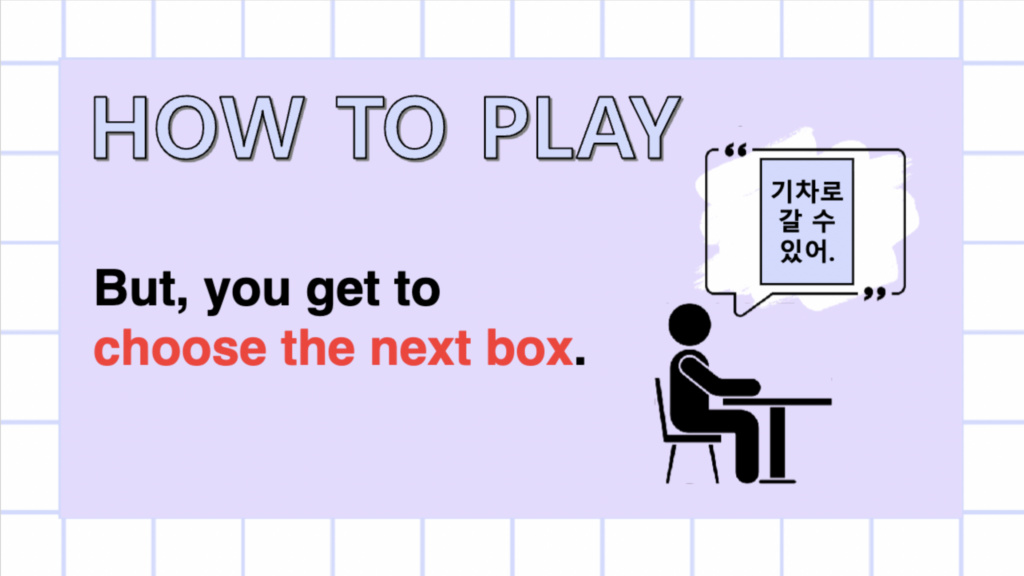
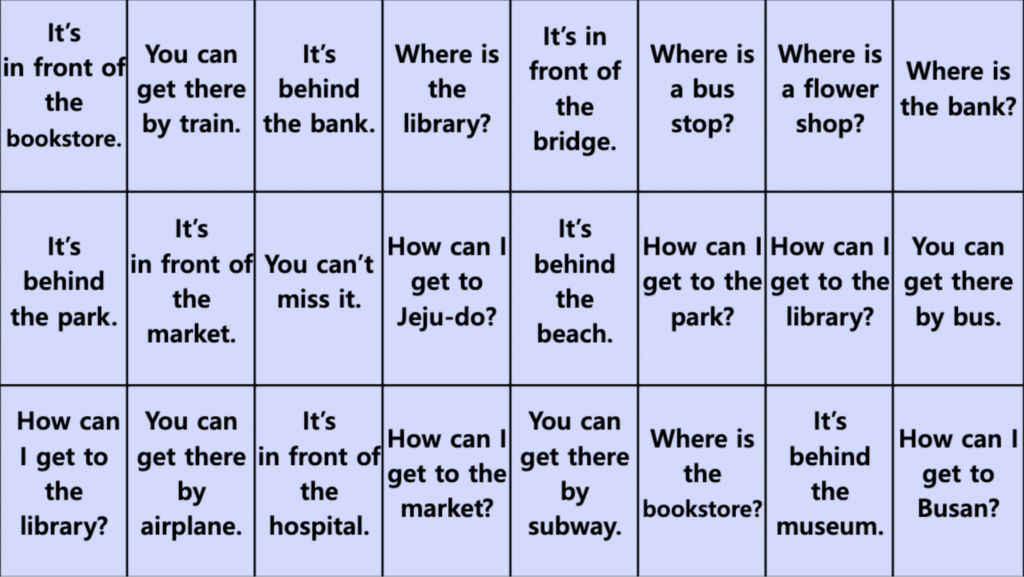
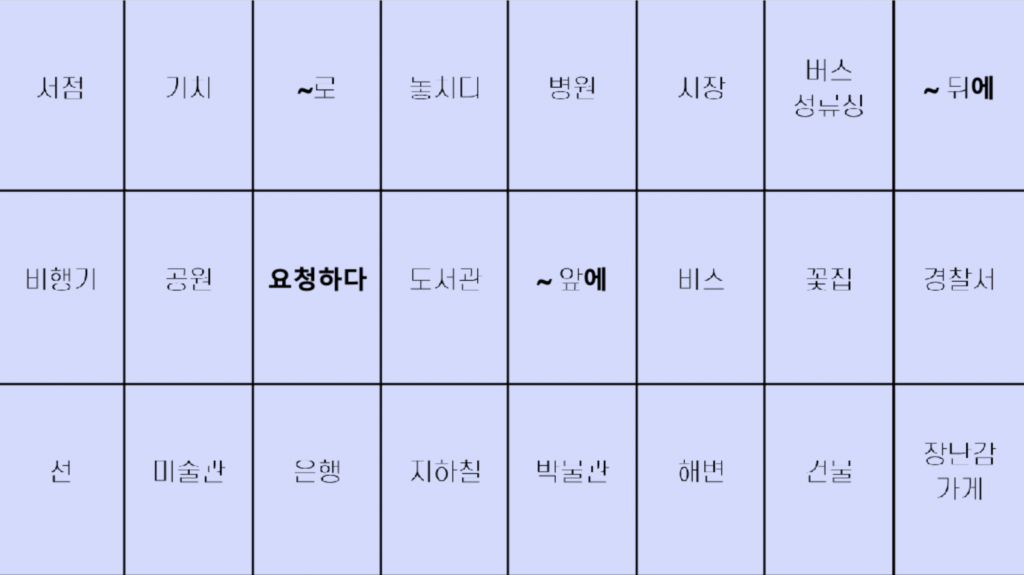
    I was recently looking at YBM Cloud 2022 English curriculum resources for Grade 6, Lesson 7 and found a couple of PPT games that are incredibly similar to some of the games from Tay’s website, just reskinned into poorer quality versions with a couple of Korean translations.

    Now, of course games are copied and reskinned in TEFL communities all the time, and personally I believe borrowing and transforming creative ideas is completely okay and even necessary as a creator. But here are the specifics on why this rubs me the wrong way.

    The Timeline

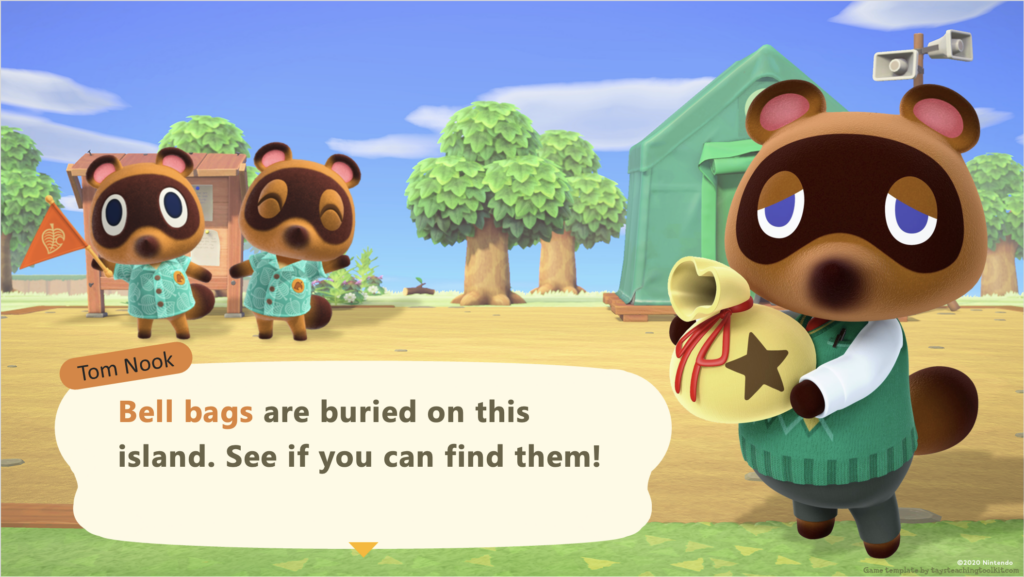
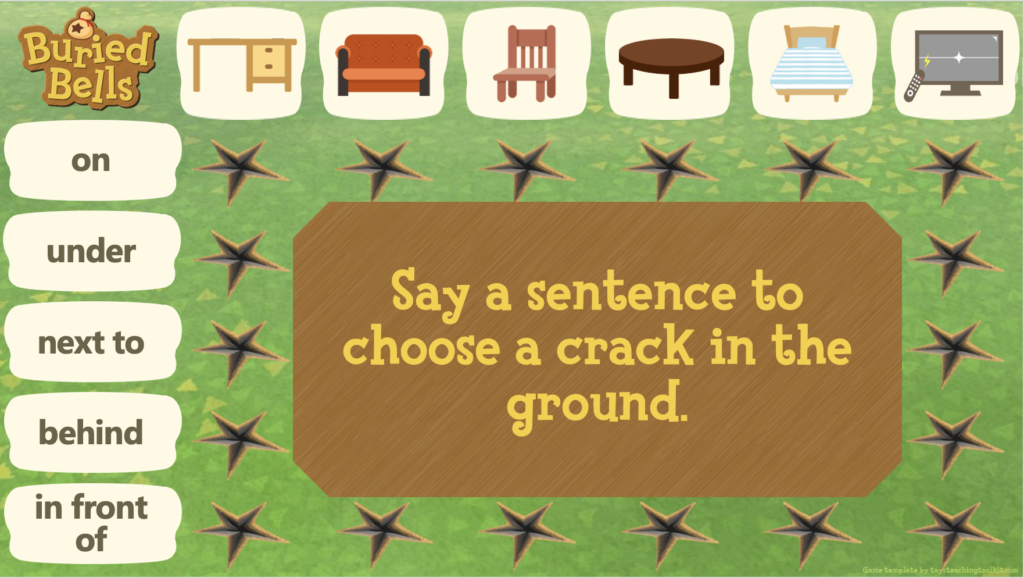
    One of Tay’s games in particular that YBM’s version strongly resembles is called Buried Bells. If you’re familiar with the popular game series Animal Crossing, you know that Buried Bells was inspired by Animal Crossing: New Horizons, which was launched in March 2020.

    From what I can tell, Tay created and launched her PPT game as early as 2021. The new YBM curriculum is labeled 2022.

    *** also update: I’ve been informed that while the curriculum was approved in 2022, the YBM elementary Grades 5 and 6 books actually launched this year, so it’s actually closer to 5 years between Tay’s release and the YBM book release ***

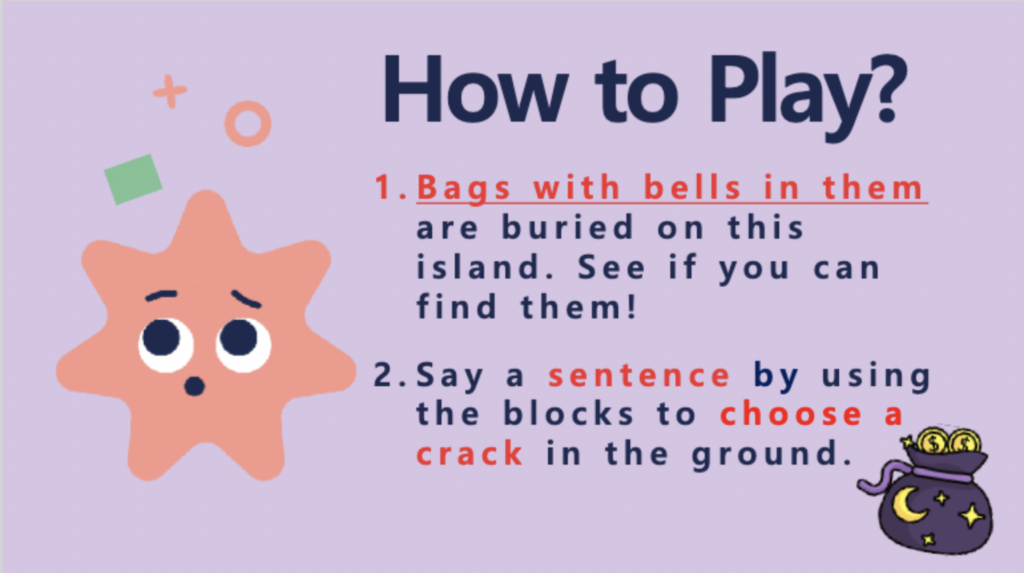
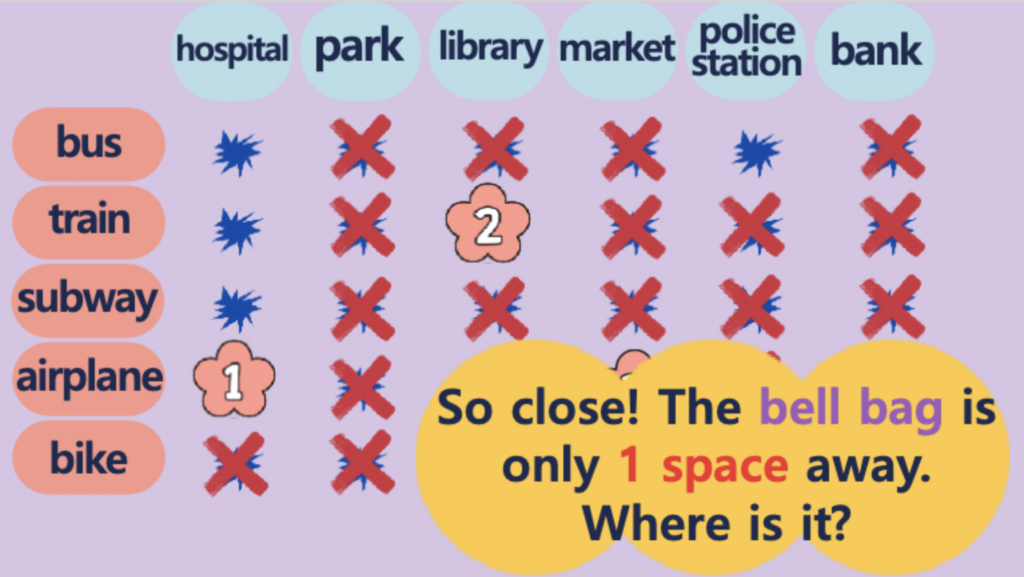
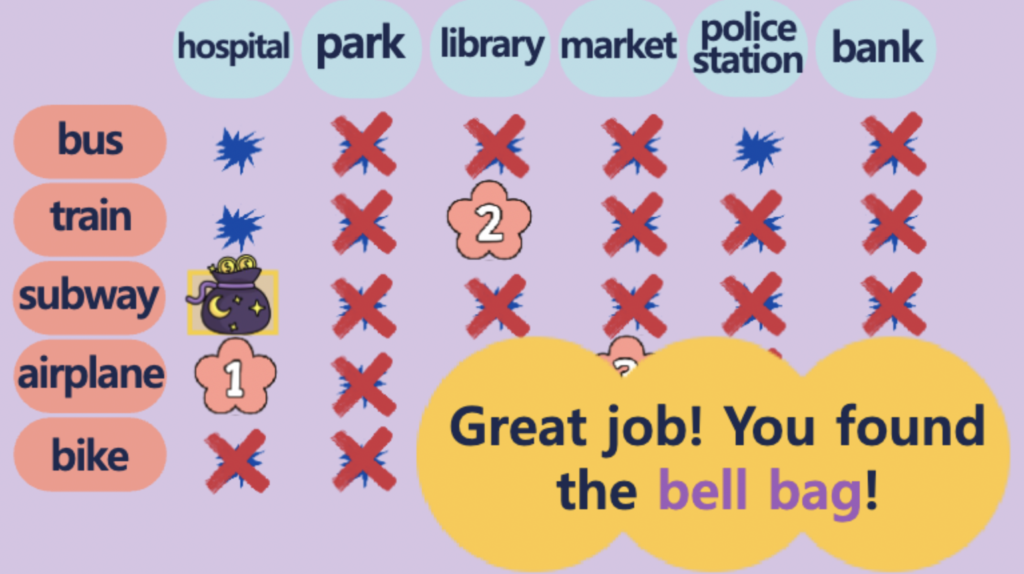
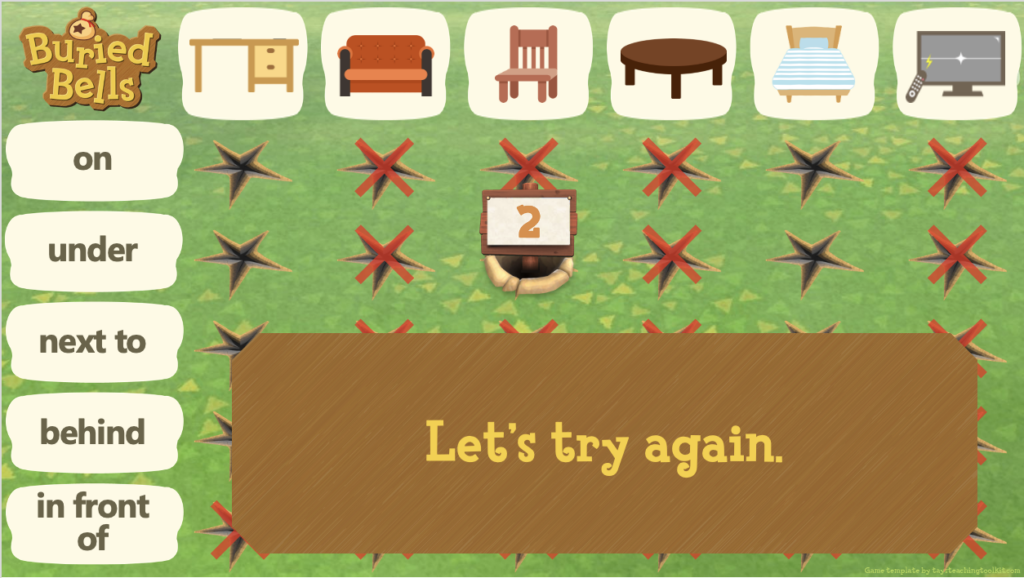
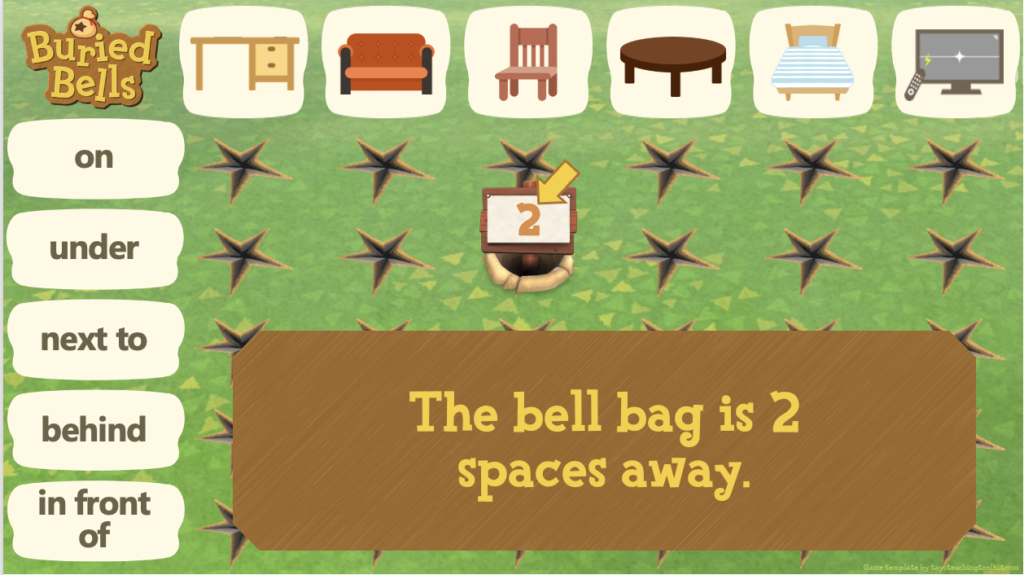
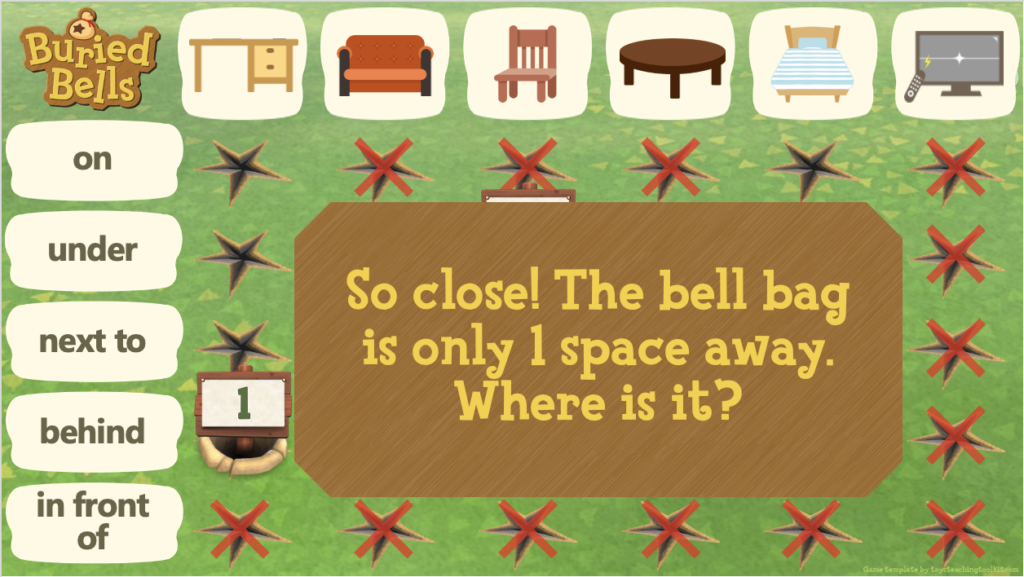
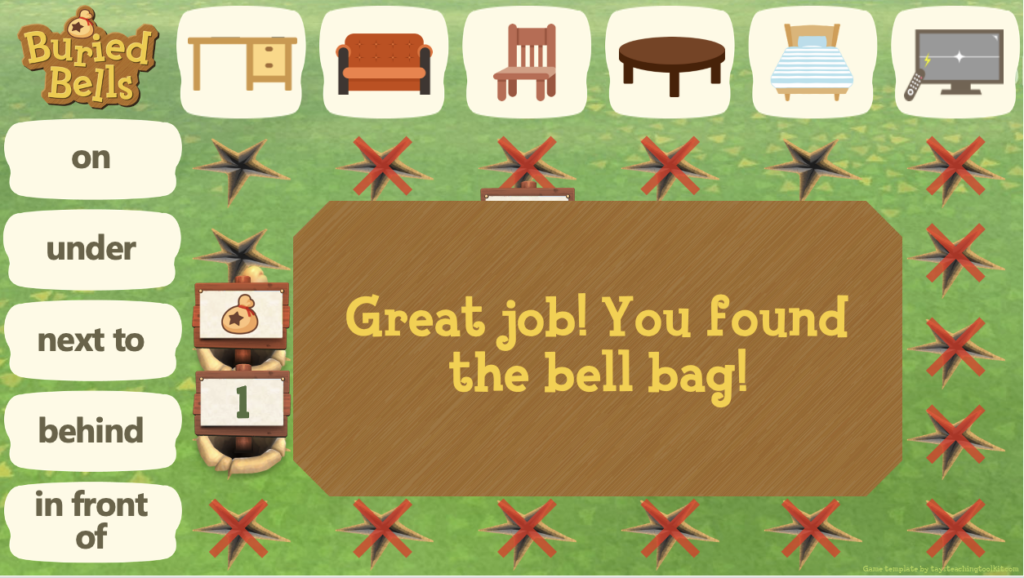
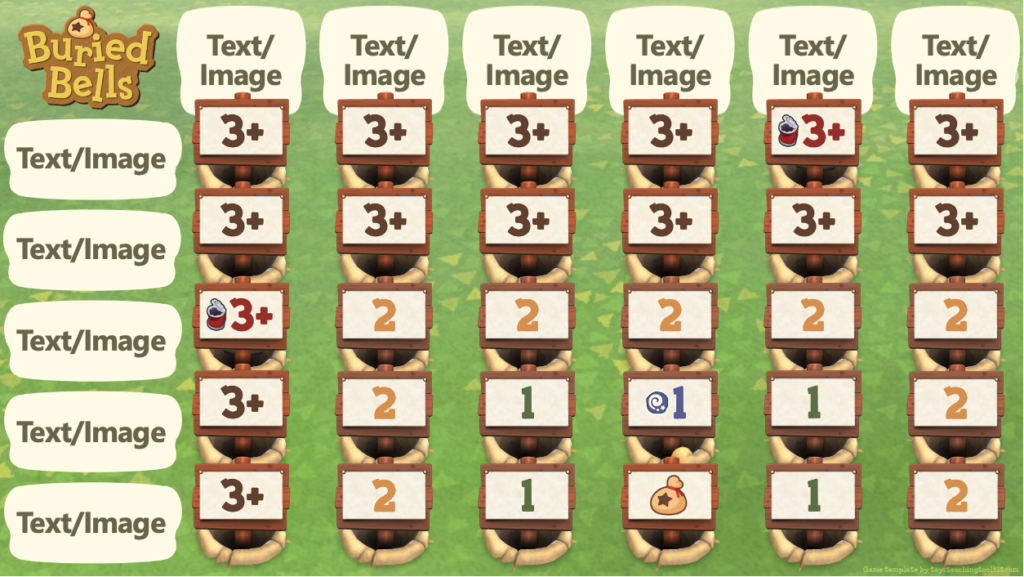
    The same English instructions from Tay’s game appear word for word in the YBM PPT game of the same name, Buried Bells. The gameplay is also identical.

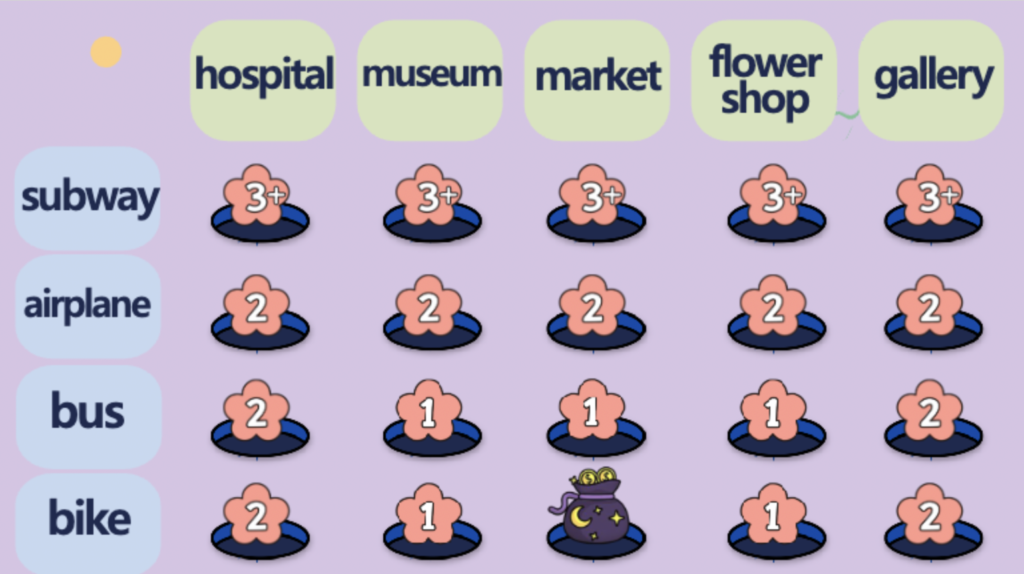
    However, the visuals have been changed to generic shape designs, with horrible low quality graphics and typography, and no sense of compositional balance (I’m just ranting about design now).

    But since the visuals are now completely generic, the whole concept of “Buried Bells” makes NO SENSE, because bells specifically exist within the world of Animal Crossing.

    Let me show you what I mean.

    The Receipts

    YBM’s Buried Bells

    Tay’s Buried Bells

    It’s as if someone at YBM worked off of Tay’s original work slide by slide without considering how the story IP impacts the game at all.

    The fact that the YBM version refers to bell bags as “bags with bells in them” is just strange, especially without the Animal Crossing theme.

    Everything is a Remix

    Like I said, I don’t mind the idea of reskinning a game. Actually, Tay borrowed the concept of this game from Adam Groff’s PPT game, Rabbit Hole (she credits him on her site), and Adam Groff borrowed the game mechanics from the classic game Minesweeper to create Rabbit Hole (he also mentions this on his site).

    So clearly, the docu-series Everything is Remix had it right. People have borrowed, reused, repurposed, and transformed the same creative ideas over and over since the beginning of time.

    But this content from YBM is just lazy, uninspired, and plain ugly. I couldn’t find any attribution to Tay or Adam.

    The difference is, Tay and Adam borrowed existing game mechanics and came up with their own creative twists on the same idea.

    A Sad Truth

    It’s possible that some Korean users of YBM Cloud may never realize where these games originally came from or have the chance to use the much better, much more high quality original versions created by Tay and Adam.

    Most users of YBM Cloud are Korean-speaking teachers who don’t use Tay’s website. I assume mostly English-speaking teachers use Tay’s Teaching Toolkit. The Korean teachers, maybe not quite as much, and not every school has a native English-speaking teacher on staff who can provide resources taken from English language websites.

    I’m not sure how many people have already noticed that this happened because a large quantity of EPIK teachers actually don’t have YBM Cloud accounts. It’s a bit annoying to get registered, so they either don’t use the site (some use a downloaded e-book instead) or they borrow a co-teacher’s login (this is what I do).

    Even Sadder

    Keep in mind that both Tay and Adam provide their content for free, whereas YBM Cloud is a subscription service.

    This feels like an example of a common issue in creative industries, where huge, established companies are profiting off of small creators who generously contribute their time and energy to their communities and are genuinely passionate about their work.

    Maybe others have already noticed this exact issue and just weren’t as bothered about it as I am. Or maybe they just weren’t crazy enough to write a whole TED Talk script about it online.

    *** another update: a KorShare community member apparently pointed out last year that a different well known textbook company in Korea also appears to have borrowed from Tay’s other work, and Tayler is aware of the situation. ***

    To me, it certainly looks like a blatant cut and copy maneuver from a massive, trusted corporation, which is frustrating as a creator and teacher myself. It is clear Tay and Adam put a lot of thought into the student experience. Whether because of production deadlines or other internal constraints, the YBM materials feel rushed in comparison.

    Further Evidence

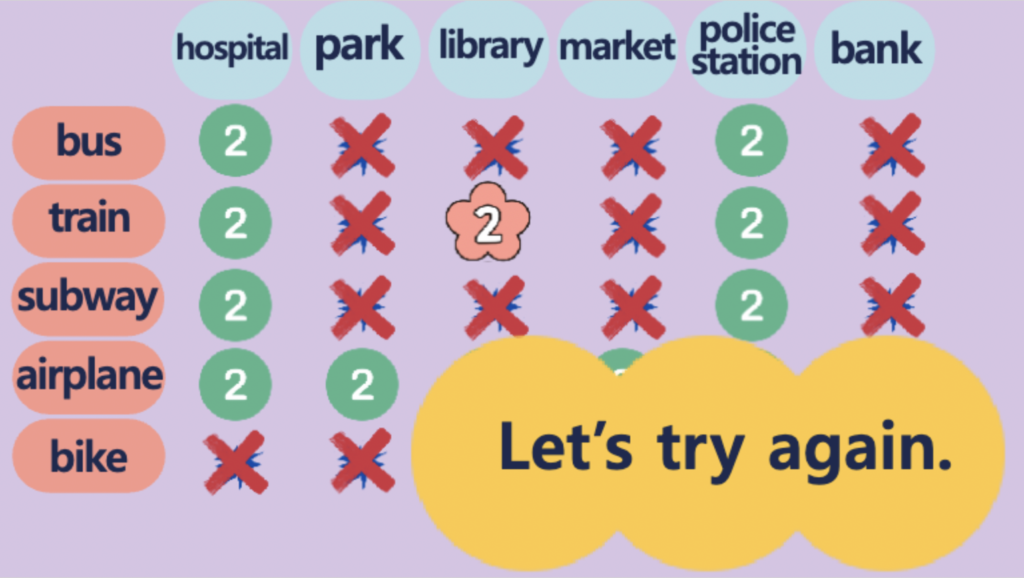
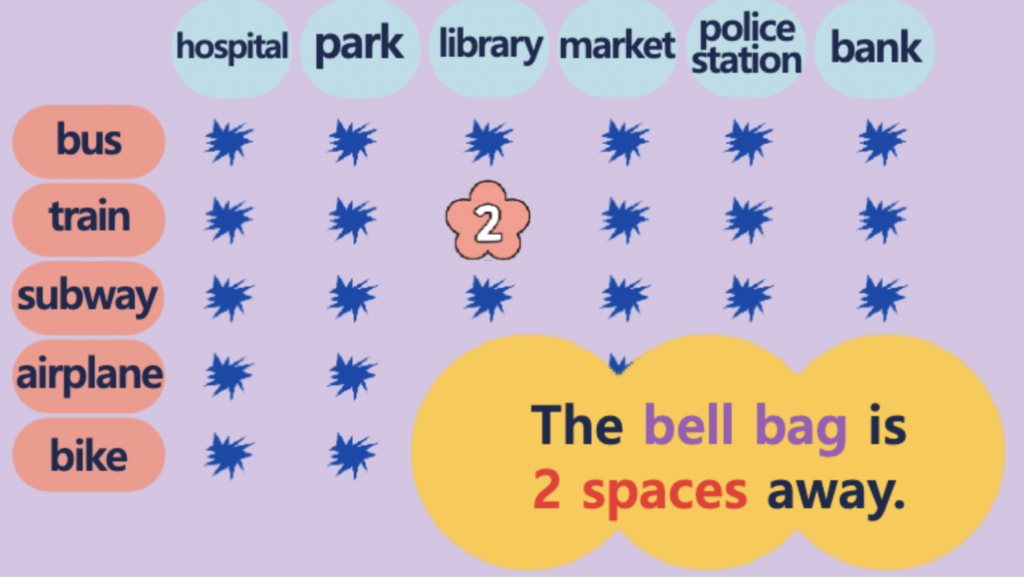
    I think I’ve made my point, but just to drive it home, here’s another example of a YBM Cloud PPT game that looks remarkably similar to the game from Tay’s website.

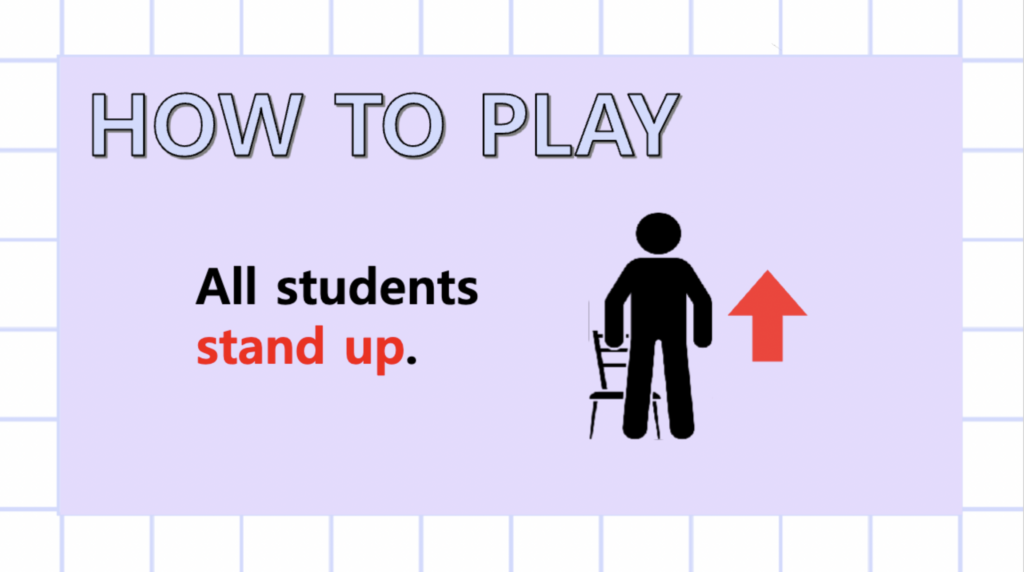
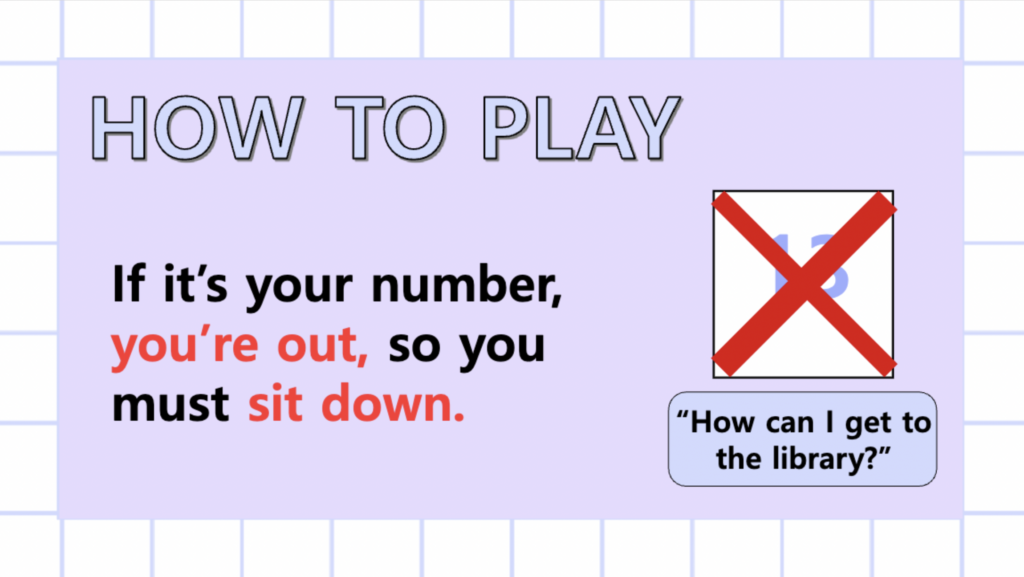
    This is an English speaking game called Knockout Game, also published around 2021. I didn’t include all the slides so the instructions won’t make sense, but I wanted to show the comparison.

    I think it’s fine for teachers to make their own versions of games like this because it’s so commonly done and everyone just wants the students to have fun. Since this game is so simple, maybe it’s not such a big deal that YBM reused the idea. In this case, I’m more annoyed at the clear lack of effort to create a more high quality design for a paid product.

    YBM’s Knockout Game

    Tay’s Knockout Game

    Like, Comment, and Subscribe

    Ok, that is all. I think I’m spent.

    Please let me know what you think of all this, especially if you are familiar with YBM and the creators I mentioned. I’m really curious about how other people feel. Contact me or comment here with your thoughts πŸ™‚

    In addition!! I very recently started a mailing list for anyone who wants to follow my journey with this whole Sidewalk English project. I’ll send email updates whenever I post something new, so feel free to subscribe and support me that way!

    Love,

    B.

  • Why I Love Going to Work Early

    I teach English at a public elementary school in Seoul, South Korea as an EPIK teacher. I’m always in the best mood ever when I’m at least 20 minutes early for work.

    First of all, the buses are more frequent earlier in the morning. I don’t know why, but a few minutes makes a huge difference here. If I’m running 5 minutes late (and for me, late is actually still early and really late is on time), it might take me 10 extra minutes to get to work that day. That’s my whole coffee routine gone!

    More importantly, if I go early, there are no children. Most of the kids arrive at school a bit later, and the screaming and stampeding the halls follows soon after. The loud footsteps, shouting, and sometimes banging into my office door during break times can be a bit stressful.

    I start teaching at 9, so I try to be at my desk drinking my coffee by 8:15. It’s so blissfully quiet at 8 in the morning. The school is still empty, except for a few groundskeepers, maintenance staff, and some other teachers who also come in a little early.

    Sometimes some of the school staff stop and bow to me, which makes me feel a weird a mix of surprise, satisfaction, and awkwardness. On one hand, I’m happy to be accepted as part of the community especially as a foreigner. On the other, this respect feels misplaced coming from someone much older than me who doesn’t know anything about me. I’m just a young, lowly English teacher…

    In the summers, it’s humid, so the school hallways are warm and smell like rain. In the winters, it’s frigid cold, but there’s still that unmistakable school smell I can’t quite place. Maybe it’s just the smell of old, dusty buildings. The school was built in 1985. It looks a lot like every other public school in Seoul, following a standardized multi-story concrete design that was popular in the 1980’s due to the rapid population growth of the city. It’s a bit sad now, because there are fewer children every year and the school building is slightly too big for the number of students and staff.

    But this is lucky for me, because I get a large office to myself that was designed to be shared with about 6 other people. I look forward to sitting in this office every morning. I have AC, a microwave, a refrigerator, a Nespresso machine, a printer, paper cutter, closet, and shelves and shelves of English books and games pretty much all to myself.

    Maybe all I’ve really learned about myself from this job is that I love having a private office, but who doesn’t? I have a feeling that this is a luxury I won’t have again for a long time during the rest of my career, but I’m really enjoying it while I have it.

    The school building is being maintained and even slowly modernized, but there seem to be frequent electrical issues or other random maintenance problems. The government pours money into education, so the kids enjoy a lot of modern technology that I think most elementary school kids in America can only dream of. Every student has their own personal school-issued tablet, every classroom has an interactive touchscreen whiteboard, and the gym has an AR rock climbing wall with projection mapping for interactive climbing games.

    Still, some of the equipment and decor in this school looks like it’s gone untouched since the 80’s, and I feel like 80’s Korean equipment looks like something out of the 70’s in America. It gives the space a slightly vintage feel as I’m moving through different classrooms to teach, like we’re all still living in an era before Internet, a vibe that only adds to the affection I feel for my early mornings in the office. Everything slows down, and it feels like time itself has turned backwards.


    I’m looking out the window of my office. It’s summery and sunny outside. I can see the mountains in the distance, and the cluster of copy-paste white high rise apartment buildings tucked into the hill looks like a quaint medieval castle if I don’t look too hard.

    The kids file in slowly around 8:40. The noise outside swells at 8:45 and dies down at 8:50 as the students settle into their homerooms. When I hear the sound of running footsteps past my door, I know someone left home late and is rushing to get to class on time, which means I also only have a couple of minutes before class starts. Time to go!

    Love,

    B.

  • My EPIK Interview Process

    I wanted to share more about my EPIK (English Program In Korea) interview process, specific details and timing, and my suggestions on how to prepare for it for anyone interested in applying to EPIK. You can use an agency like Korvia to help you apply, but I decided to apply on my own, so I did struggle a bit looking for exactly the kind of prep and advice I’m about to share!

    EPIK is an official Korean government program that recruits foreigners from English-speaking countries to work as a native-speaking English teacher at public schools across Korea.

    If you want to read a little more about my personal story and thoughts behind applying to EPIK you can read my post: How I Ended Up Teaching English in Korea.


    Interview Request Email

    I received my request for an interview via email about a month and a half after submitted my written application directly to the EPIK website. The email said I had passed the first selection phase and invited me to participate in a webcam interview via Zoom. I was able to book the interview myself by selected from provided time slots on a calendar. I was required to book within 3 days of receiving the email.

    Throughout the EPIK process, it is incredibly important to respond to everything in a timely manner as they have strict deadlines for literally everything. Since a lot of emails are coming from abroad, some of them can easily be sent to spam accidentally so make sure to check regularly!

    I booked the interview for a week later intending to prep, but if you read my other blog post, you’ll know I wasn’t overly successful on that front πŸ˜…

    The Interview

    Behavioral Questions & Basic Questions

    Part one of the interview was just as expected for any interview. My interviewer asked questions such as:

    • Tell me about yourself

    In answering this question, you should talk about your education and professional background, while making sure to include interests and experiences related to teaching or with obvious transferable skills. You can also include interests and hobbies, but preferably focus on things that are either relevant to the job somehow OR help set the up story behind how you became interested in teaching abroad.

    • What do you know about EPIK?

    Typical behavioral interview question. They want to know that you’ve done your research. I memorized how, when, and why it was founded just in case, but I don’t think it was strictly necessary. If you literally just know what EPIK stands for, you’ll be good on this question.

    • Why do you want to teach abroad? Why specifically with EPIK?

    Why you’re interested in teaching abroad and teaching specifically in Korea are two separate questions! I think I talked about wanting to challenge myself to have new experience, experience a different culture, and grow past my limitations. Of course, this is a very generic answer, so think more about what you personally hope to get out of the experience of teaching abroad. I mentioned that I am a naturally introverted person and wanted to push myself to build my confidence and leadership skills.

    Why specifically Korea? They might ask you: why not JET (Japan’s equivalent of EPIK)? For me, the answer was pretty easy because I have relatives in Korea and have wanted to explore that side of my heritage more. If you are interested in Korean media and culture, you should mention this, but keep in mind that EPIK will of course prefer people with a passion for teaching, not just a passion for K-culture, so I wouldn’t make this the highlight of your answer.

    The other point I made for this question is the Korean government’s strong emphasis on good education. EPIK generally has a good reputation globally and provides a lot of great support and training for foreigners wanting to teach English abroad. Korea is known for respecting the importance of education (culturally and systemically) as well as the work teachers do, which differs from America to some extent. There is a strong, standardized structured curriculum here that makes it easier for teachers to stay organized and coordinate with other teachers and students even when students transfer in and out of schools in the middle of the school year. Basically, just sing their praises and it’ll be a legitimate enough response.

    • What is your experience with Korea/Korean Language/Korean culture? What is your experience with being abroad?
    • How do you expect to navigate cultural differences and challenges while abroad?

    With these questions, the interviewer is interested again in why you want to go to Korea, how much you know about being a foreigner in another country, and whether you’ll be able to handle culture shock and other challenges while navigating life abroad. Tell them about your experiences with other cultures and travel, or tell them about why you’re so excited about the experience. You might also bring up a story of when you encountered a cultural difference and how you handled it, true behavioral interview style. Just make sure you show how open-minded, curious, and adventurous you are.

    • How would you handle a conflict with your co-teacher if it were to arise?

    In this one, they want to assess a little bit whether you can blend in seamlessly with the teaching culture there. As a foreigner, you might not know from the start how things at your school operate, so make sure the interviewer knows you would never make any assumptions about that. Saving face and providing a united front is important, so avoid giving the impression that you’d undercut your co-worker in any way, such as saying you’d correct your co-teacher immediately in the middle of a class.

    You want to demonstrate you have some nunchi (눈치), ability to read the room and act accordingly in social situations. You might get to Korea and have a great synergistic working relationship with your co-teacher(s) so none of this will apply, but the interviewer wants to know you’ll be prepared for anything.

    • Do you have an history of mental health issues such as depression, etc.? Have you ever participated in therapy or counseling?

    This question may seem a little out of left field, and honestly I think it’s an unfortunate result of bias and stigma. Some people may believe you are ill-equipped to teach abroad if you have had any history of mental health issues or even have attended therapy sessions. The safe answer here is to just say no. To be honest, I believe that this is your personal information, and it is your right and responsibility to deal with it privately, so EPIK doesn’t need to know the details as long as you are confident you can do your job well.

    • What is your preference for where to teach, and what grade levels would you like to teach?

    This question shouldn’t have any influence on your application, so just answer honestly. I honestly had no idea what grade I would like best and had no preference for location, so that’s exactly how I answered. I also mentioned that I have some family in Seoul, so living in Gyeonggi-do might be nice so I wouldn’t be too far from them. I was afraid that if I said I wanted to be in Seoul, I wouldn’t get in because Seoul is a popular choice, and I actually liked the idea of living more quietly in the countryside after years of living in NYC. In the end, I was placed in Seoul anyway.

    Those are a few questions you may be asked and how to answer them, but also be aware that you may be asked some or none of these questions depending on your interviewer. I’ve heard of some people being asked almost no questions in their interviews, and some being absolutely drilled. My interview was fairly professional and by the book, so I had to answer all the standard questions.

    How to prepare? When I applied I couldn’t find very much detailed information on the interview process, but that’s why I wanted to share my experience! I just read through the EPIK website, reviewed my essay responses from my application, and watched 2-3 tiktoks by people teaching with EPIK. It didn’t take much.

    Mock Lesson

    This is the second part of the interview and it was the absolute worsttt. The interviewer will randomly give you a target grade level and a lesson topic such as food or occupations. You will get five minutes to prepare a mini lesson based on this information and present it to the interviewer. The interviewer will not interact or participate in anyway, so you must pretend you are receiving feedback from an audience.

    Make sure you speak slowly and clearly so your imaginary students can understand. Try to exude as much energy and positivity as possible even while presenting over Zoom to nothing but silence and an awkward stare. You are allowed to use props if you happen to have some nearby, but definitely not required at all! I’d recommend including some movement or motion if possible to show you’re able to think of engaging activities on your feet and get students physically active as well. My topic was directions, so I had my “students” move left and right as they practiced speaking the words aloud.

    The interviewer will stop you after they’ve seen enough and provide feedback. It’s a bit awkward, but it’ll be over quick.

    Application Essays and Lesson Plan Review

    Last part of the interview! The email said to have my application printed or downloaded on hand for the interview. I found out later that this was because your interviewer will give you feedback on your submitted essays and lesson plans, so you’ll need to be able to go through it line by line together and remember what changes are recommended (there’s no need to print unless you expect to take lots of notes by hand).

    Personally, I had almost no notes from my interviewer, except that some of the vocabulary I had included in my lesson plan may be difficult for the age group I had selected. I adjusted the vocabulary for the final submission, but honestly this is just a formality and a way to show you can accept feedback. Since you’ll be teaching according to the public school curriculum if you get hired, I don’t see how the exact details of your lesson plan matter so much. I think they just want to see if you can be detail oriented and have reasonable expectations.


    And that’s the end of the interview! The whole thing took about 50 minutes I believe. I received my acceptance email within the week and moved on to the document collection process. I hope this was helpful for anyone who wants to apply to EPIK but isn’t quite sure what to expect. I’ll be writing more about the entire process later as well!

    Love,

    B.

  • How I Ended Up Teaching In Korea

    Hi friends,

    I can’t believe I’ve been teaching English at public school in Seoul, Korea for about ten months now!

    I’ve known for a long time that I wanted to come to Korea but wasn’t set on the means. I had studied in Seoul for a semester as an exchange student and have many treasured memories from that time, but it was during the tail end of COVID which limited the experience somewhat and the time felt far too short. I think I was a completely different person back then as well and am experiencing everything very differently this time around.

    Fresh out of graduation in 2024 with a design/media degree in New York City, I felt there weren’t many opportunities available to me. All of my friends had been struggling to land full time jobs for the past year, and I didn’t have much better luck, so I did what I could to pay my astronomically high rent in downtown Brooklyn. I continued my college part time job baking macarons at a bakery near Times Square, I picked up some freelance design and video editing gigs, and I worked part time doing teaching and design work for an educational nonprofit that helps neurodivergent students in the city develop creative technology and career skills.

    I can’t remember how I found out about EPIK (English Program In Korea). I think I must have googled something obvious like “working abroad in Korea.” It seemed like a great opportunity during a time when cost of living in NYC was climbing week by week. I could go teach English at a public school in Korea, and EPIK, a program within the Korean Ministry of Education, would provide support with housing and airfare, discounted national health insurance, visa sponsorship, and training.

    I decided in summer of 2024 that I would apply, but the next application window at the time opened in February 2025. I felt that this was shockingly late because if I applied in February and was hired, I would have to move to Korea within 6 months to start the program in August 2025, but if I wasn’t hired, I would’ve been waiting almost a full year just to end up with nothing. I felt confident that I would be able to go, however, and just continued maintaining my multiple sources of income and enjoying my time in NYC until I could apply.

    I applied 2 weeks after the application window opened. I knew the program had been getting more competitive in recent years and had it in mind to apply the very day it opened, but during “my year of rest and relaxation,” I had gotten complacent rather then anticipatory. Worried that taking 2 weeks to start had already set me too far behind, I completed the entire application in one sitting while I was waiting for a flight to California in JFK airport in New York.

    The application was quite long and detailed. I had to provide details on my school education dating back to my elementary school days, as well as a headshot, career background, 2 letters of recommendation following an incredibly specific format, any connections to Korea, and details on my recent travels and other international experiences. I also needed to upload a full sample lesson plan along with any supporting materials. After that, there were 6 essay questions to complete. I wrote them all in one go and barely took a second look at them before submitting. I had thought a lot about applying during the past year and knew what I wanted to say already, and I was eager to submit my application and be done with it. I had this feeling that once I stepped foot on my plane, I might not revisit the application for a long time. I clicked submit and boarded the plane. It was February 15th.

    I received a request for an interview on March 21st and scheduled it for April 2nd, over a week later. I wanted to use the week to prepare, but I wasn’t sure exactly how to prepare for this interview. I think I was working on some nonprofit and freelance projects at the time and didn’t actually spend much time prepping at all. The day before the interview, I looked up some common EPIK interview prep questions online and briefly read through the little I could find, then watched a couple videos of past EPIK teachers talking about their experience, but honestly, finding any in depth information on the interview process was difficult.

    I went in feeling unprepared but felt relatively confident about my answers. When asked about what region I preferred to placed in, I said I had no preference but chose Gyeonggi-do in my written application because it might be closer to my distant relatives in Seoul. I was one hundred percent convinced that there was no way I could possibly be placed in Seoul as it is incredibly competitive. I had spent the past six years of my life in a big city anyway and didn’t mind the chance at a quieter, slower lifestyle, so I didn’t even ask. As it turns out, I ended up in Seoul anyway!

    My least favorite part of the interview was when the interviewer gave me an age group and topic, and I had to teach a lesson on the spot for her. She gave me about 3-5 minutes to prepare, and then I had to pretend I was teaching a class of students but nobody was there, and the interviewer didn’t interact with me either. I was instructed to just imagine I was receiving answers to my questions.

    It was painfully awkward but didn’t last more than a few minutes. I think they wanted to evaluate my pronunciation and clarity of speech when speaking to children, which makes some sense, but I hated it. The interviewer also gives revision suggestions on your essays because EPIK sends your full application to each school, and the school has the ultimate say on who to hire. My interviewer had some light comments on my lesson plan but told me my essays were incredibly well written and she had no notes (super proud of that considering I wrote them all at once while sitting at an airport gate under a time crunch).

    I received the email that I had passed 5 days later and immediately got hit with a mountain of required documents and supplementary forms to fill out. Acquiring all the necessary documents and completing the forms took me nearly two months. I received several warnings about making sure the pages are in exactly the specified order when I mail them, do not use folders or staples, a binder clip may be permissible, etc, etc.

    To some extent placement is first come, first served depending on how quickly you can properly submit the proper documents, so I was often stressed out navigating bureaucratic red tape to get everything submitted as soon as possible. I was living in NYC and a lot of my government documents were mailed to my family address in California, so my poor father had the task of very meticulously organizing and compiling all the documents for me.

    I was told I should delay booking a flight until the Seoul Metropolitan Office of Education (SMOE) coordinator reached out to confirm a date of arrival, so I continued waiting and waiting throughout the summer, watching the flight prices climb higher and higher. In hindsight, I should’ve just booked a flight early even if the date was wrong because I did know that I shouldn’t be later than August 19. The fear was that I’d arrive too early and scramble to find shelter in a foreign land. By the time I could confirm the flight date, the set airfare allowance provided by EPIK didn’t even cover the full cost of the flight.

    Anyway, clearly I made it to Korea eventually! I have heard almost all EPIK teachers in Seoul teach elementary and I am no different. I teach grades 3 through 6. Ten months in and I’m feeling very settled here. Although there are times I miss my friends, family, go-to eateries, driving, redwood forests, and salty snacks, I’m reluctant to return. The state of affairs back in the States doesn’t seem any better than when I left and the price of a meal in NYC is terrifying to think about after being gone so long.

    But to friends who may be reading, not to worry! I plan to visit toward the end of this year. And what lies beyond that, we shall see.

    In future posts, I can write more about on how I’ve spent my time here and my experiences teaching. I will also talk in more depth about EPIK and the application and training process for anyone who may be interested. There is plenty of information I wish was available to me when I was applying so I’ll have plenty to say. Stay tuned.

    Love,

    B.